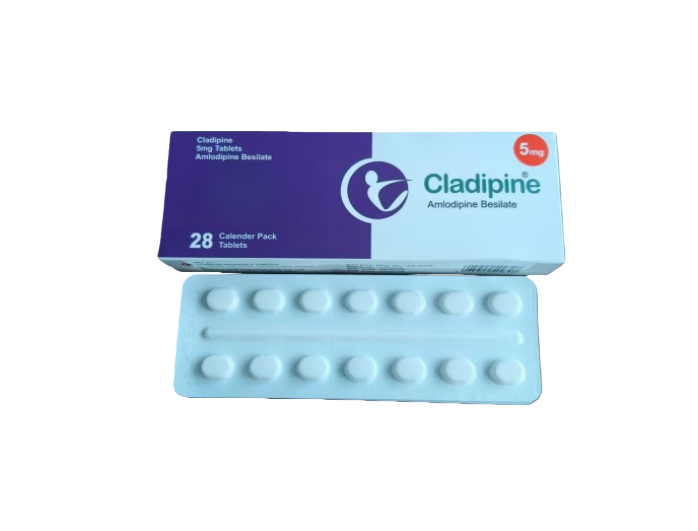
Description:
Amlodipine besylate belongs to a class of FDA-approved medications known as calcium channel blockers.
It is mainly prescribed to manage high blood pressure and angina by enhancing blood flow and reducing the heart's workload.
This medication works by inhibiting calcium entry into the muscle cells of blood vessels. Relaxing and widening these vessels lowers blood pressure and improves circulation.
The reduced vascular resistance eases the strain on the heart, effectively relieving chest pain and promoting better cardiovascular health.
Indications:
Amlodipine besylate is primarily prescribed for cardiovascular conditions but has additional applications. Below are its most common uses.
Amlodipine besylate plays a key role in managing high blood pressure by relaxing the blood vessels and improving blood flow.
This action reduces vascular resistance, helping to lower blood pressure and minimize the risk of complications such as heart attack, stroke, or kidney damage.
Amlodipine is effective in alleviating chest pain associated with angina.
Improving oxygen delivery to the heart and reducing the heart's workload minimizes discomfort and enhances exercise tolerance in individuals with coronary artery disease.
Beyond its approved uses, amlodipine may be prescribed for conditions such as Raynaud's phenomenon (also known as Raynaud's disease or Raynaud's syndrome), where it improves blood flow to extremities.
It has also been explored in other circulatory disorders, highlighting its versatility in managing vascular health.
Dosage
The recommended starting dose of amlodipine for children and adults is 2.5 to 5 mg once daily. The maximum dose for adults is 10 mg once daily and the maximum dose for children is 5 mg once daily. Amlodipine can be taken with or without food. Amlodipine is inactivated mainly by the liver, and dosages may need to be lowered in patients with liver dysfunction.
Side effects:
Side effects of amlodipine are generally mild and reversible. The two most common side effects are:
Other side effects include:
More severe side effects include:
Interactions and Warnings:
Amlodipine may interact with certain medications, potentially affecting its effectiveness or increasing side effects. These include:
Amlodipine may interact with other medications. To prevent potential interactions, patients should notify their healthcare provider about all the medicines they are using.