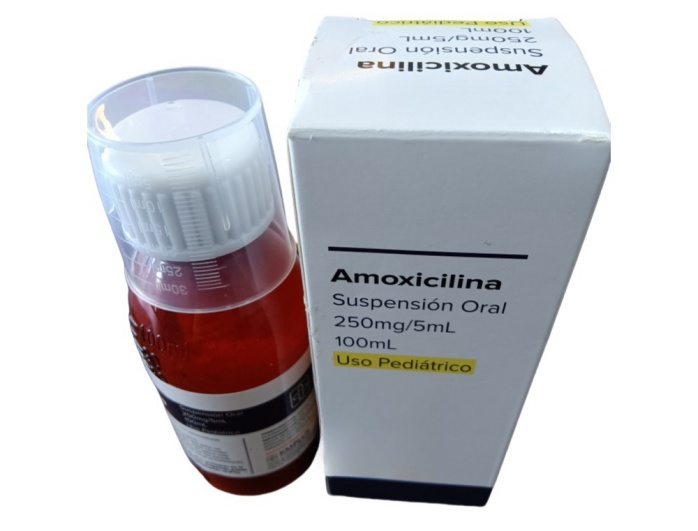
Amoxicillin for oral suspension is a kind of penicillin antibiotic, and its main component is amoxicillin. This medicine is mainly used to treat infections caused by sensitive bacteria.
Indications
Amoxicillin for oral suspension is indicated for the following infections caused by sensitive bacteria (strains that do not produce β -lactamase) :
1. Upper respiratory tract infections such as otitis media, sinusitis, pharyngitis and tonsillitis caused by Streptococcus hemolyticus, Streptococcus pneumoniae, Staphylococcus or Haemophilus influenzae.
2. Urogenital tract infections caused by Escherichia coli, Proteus mirabilis or Enterococcus faecalis.
3. Skin and soft tissue infections caused by Streptococcus hemolyticus, Staphylococcus or Escherichia coli.
4. Lower respiratory tract infections such as acute bronchitis and pneumonia caused by Streptococcus hemolyticus, Streptococcus pneumoniae, Staphylococcus or Haemophilus influenzae.
5. Acute simple gonorrhea.
6. This product can also be used to treat typhoid fever, typhoid carriers and leptospirosis.
Precautions
1. Before taking the medicine, it is necessary to inquire in detail about the history of drug allergy and conduct a penicillin skin test.
2. Oral penicillin drugs may occasionally cause anaphylactic shock, especially in patients with a history of penicillin or cephalosporin allergy. In the event of anaphylactic shock, on-site rescue should be carried out, including maintaining airway patency, oxygen inhalation, and the application of epinephrine, glucocorticoids and other treatment measures.
3. Patients with infectious mononucleosis are prone to rashes when using this product and should avoid using this drug.
4. For patients with a longer course of treatment, liver and kidney functions as well as blood routine tests should be conducted.
5. Use with caution in the following situations:
(1) Those with a history of allergic diseases such as asthma and hay fever.
(2) The dosage may need to be adjusted in the elderly and when renal function is severely impaired.