Rifampicin
Rifampicin
Rifampicin

Rifampicin

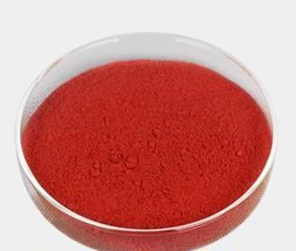
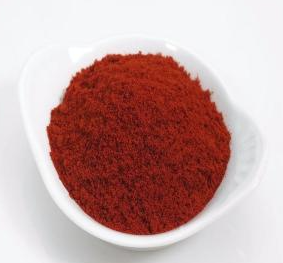
Description of Rifampicin 1. General Information Chemical Name: 3-[[(4-Methyl-1-piperazinyl)imino]methyl]-rifamycin Molecular Formula: C43H58N4O12 Molecular Weight: 822.95 Appearance: Bright red or dark red crystalline powder, odorless Solubility: Soluble in methanol, almost insoluble in water. 2. Pharmacological Action Rifampicin is a broad-spectrum antibiotic belonging to the rifamycin family. It inhibits bacterial RNA synthesis by firmly binding to the β-subunit of DNA-dependent RNA polymerase, preventing the enzyme from binding to DNA and thus blocking the RNA transcription process. This mechanism results in bactericidal effects against a variety of bacteria, including: Mycobacterium tuberculosis Mycobacterium leprae Gram-positive and Gram-negative bacteria (e.g., Staphylococcus aureus, Streptococcus pneumoniae, Neisseria meningitidis) Other pathogens (e.g., Legionella, Chlamydia)
3. Indications

Rifampicin is primarily used in combination with other anti-tuberculosis drugs for the treatment of:

  • Tuberculosis (initial and relapse treatment)
  • Tuberculous meningitis
  • Leprosy
  • Infections caused by non-tuberculous mycobacteria
  • Severe infections caused by methicillin-resistant Staphylococcus aureus (in combination with vancomycin)
  • Severe Legionella infections (in combination with erythromycin)
  • Elimination of asymptomatic Neisseria meningitidis carriers

4. Dosage and Administration

  • Anti-tuberculosis treatment:
    • Adults: 0.45g–0.60g orally once daily, fasting (not exceeding 1.2g per day)
    • Children over 1 month: 10–20mg/kg orally once daily, fasting (not exceeding 0.6g per day)
  • Neisseria meningitidis carriers:
    • Adults: 5mg/kg every 12 hours for 2 days
    • Children over 1 month: 10mg/kg every 12 hours for 4 doses
  • Elderly patients: 10mg/kg orally once daily, fasting

5. Contraindications

  • Hypersensitivity to rifampicin or other rifamycin antibiotics
  • Severe hepatic insufficiency
  • Biliary obstruction
  • Pregnant women (within the first 3 months of pregnancy)

6. Precautions

  • Hepatic function: Regular monitoring of liver function tests is required during treatment.
  • Drug interactions: Rifampicin induces hepatic microsomal enzymes, which may affect the metabolism of other drugs. Dose adjustments may be necessary when used in combination with certain medications.
  • Adverse reactions: Common adverse reactions include gastrointestinal disturbances (nausea, vomiting, abdominal discomfort), hepatotoxicity, allergic reactions, and changes in urine, saliva, and tear color (orange-red).

7. Special Populations

  • Pregnancy and lactation: Rifampicin crosses the placenta and is excreted in breast milk. It is contraindicated during the first 3 months of pregnancy and should be used with caution thereafter. Breastfeeding is not recommended during treatment.
  • Children: Safety and efficacy in children under 5 years have not been fully established.
  • Elderly patients: Due to reduced hepatic function, dose adjustments may be necessary.

8. Storage

Store in a cool, dry, and dark place, protected from light and moisture.

9. Forms

Rifampicin is available in various formulations, including tablets, capsules, and injections.

More Information

Send Message

    Home Tel Mail Inquiry