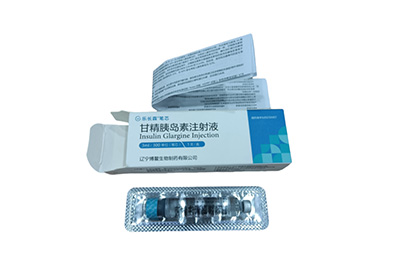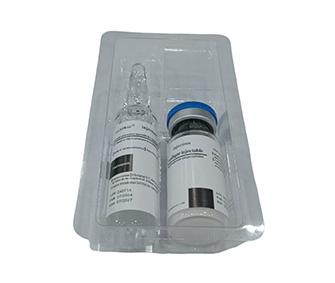
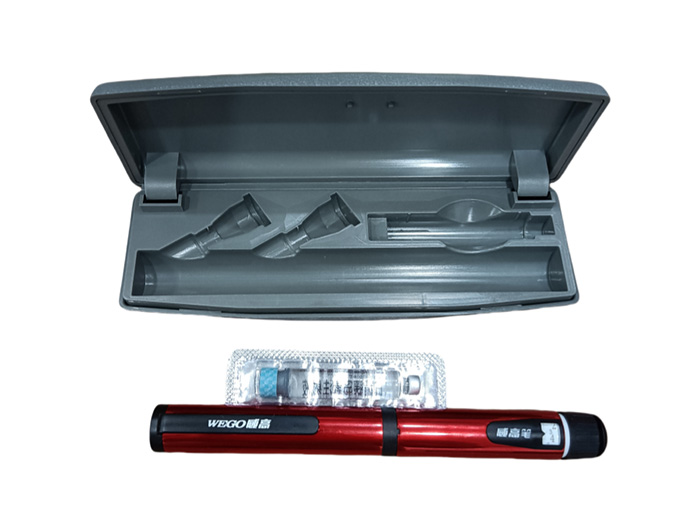
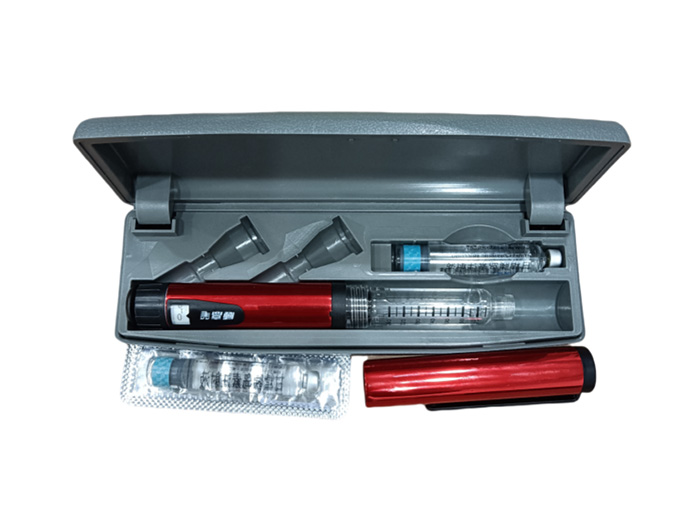
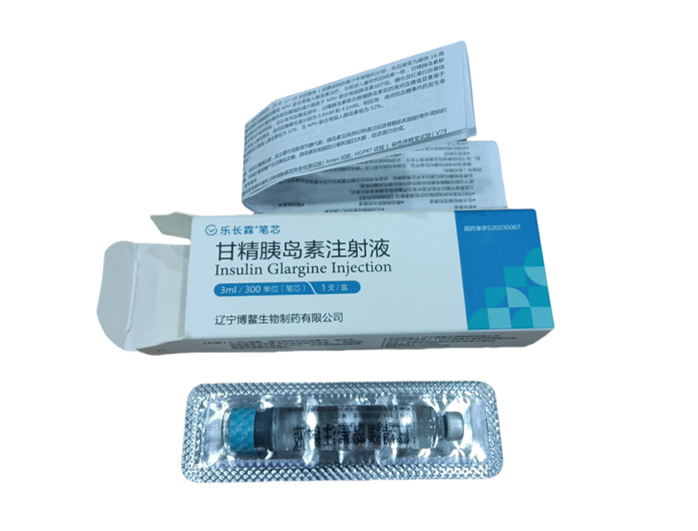
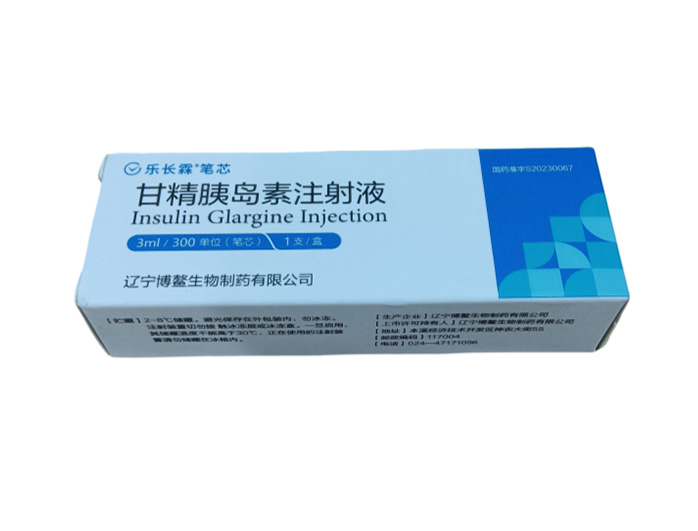
INSULIN GLARGINE treats diabetes. It works by increasing insulin levels in your body, which decreases your blood sugar (glucose). It belongs to a group of medications called long-acting insulins or basal insulins. Changes to diet and exercise are often combined with this medication.
This medicine may be used for other purposes; ask your health care provider or pharmacist if you have questions.
They need to know if you have any of these conditions:
Episodes of low blood sugar
Eye disease, vision problems
Kidney disease
Liver disease
An unusual or allergic reaction to insulin, metacresol, other medications, foods, dyes, or preservatives
Pregnant or trying to get pregnant
Breast-feeding
How should I use this Insulin Glargine for Injection 300IU/3ml?
This medication is for injection under the skin. Use this medication at the same time each day. Use exactly as directed. This insulin should never be mixed in the same syringe with other insulins before injection. Do not vigorously shake before use. You will be taught how to use this medication and how to adjust doses for activities and illness. Do not use more insulin than prescribed.
Always check the appearance of your insulin before using it. Insulin Glargine should be clear and colorless like water. Do not use it if it is cloudy, thickened, colored, or has solid particles in it.
If you use an insulin pen, be sure to take off the outer needle cover before using the dose.
It is important that you put your used needles and syringes in a special sharps container. Do not put them in a trash can. If you do not have a sharps container, call your pharmacist or care team to get one.
This medication comes with INSTRUCTIONS FOR USE. Ask your pharmacist for directions on how to use this medication. Read the information carefully. Talk to your pharmacist or care team if you have questions.
Talk to your care team regarding the use of this medication in children. While this medication may be prescribed for children as young as 6 years for selected conditions, precautions do apply.
Overdosage:
If you think you have taken too much of this medicine contact a poison control center or emergency room at once.
NOTE: This medicine is only for you. Do not share this medicine with others.
What if I miss a dose?
It is important not to miss a dose. Your care team should discuss a plan for missed doses with you. If you do miss a dose, follow their plan. Do not take double doses.
What may interact with this medication?
Alcohol containing beverages
Antiviral medications for HIV or AIDS
Aspirin and aspirin-like medications
Certain medications for blood pressure, heart disease, irregular heart beat
Chromium
Clonidine
Diuretics
Female hormones, such as estrogens or progestins, birth control pills
Fenofibrate
Gemfibrozil
Guanethidine
Isoniazid
Lanreotide
Male hormones
MAOIs like Carbex, Eldepryl, Marplan, Nardil, and Parnate
Medications for weight loss
Medications for allergies, asthma, cold, or cough
Medications for depression, anxiety, or psychotic disturbances
Niacin
Nicotine
NSAIDs, medications for pain and inflammation, like ibuprofen or naproxen
Octreotide
Other medications for diabetes, like glyburide, glipizide, or glimepiride
Pasireotide
Pentamidine
Phenytoin
Probenecid
Quinolone antibiotics such as ciprofloxacin, levofloxacin, ofloxacin
Reserpine
Some herbal dietary supplements
Steroid medications
Sulfamethoxazole; trimethoprim
Thyroid hormones
This list may not describe all possible interactions. Give your health care provider a list of all the medicines, herbs, non-prescription drugs, or dietary supplements you use. Also tell them if you smoke, drink alcohol, or use illegal drugs. Some items may interact with your medicine.
What should I watch for while using this medication?
Visit your care team for regular checks on your progress.
Do not drive, use machinery, or do anything that needs mental alertness until you know how this medication affects you. Alcohol may interfere with the effect of this medication. Avoid alcoholic drinks.
A test called the HbA1C (A1C) will be monitored. This is a simple blood test. It measures your blood sugar control over the last 2 to 3 months. You will receive this test every 3 to 6 months.
Learn how to check your blood sugar. Learn the symptoms of low and high blood sugar and how to manage them.
Always carry a quick-source of sugar with you in case you have symptoms of low blood sugar. Examples include hard sugar candy or glucose tablets. Make sure others know that you can choke if you eat or drink when you develop serious symptoms of low blood sugar, such as seizures or unconsciousness. They must get medical help at once.
Tell your care team if you have high blood sugar. You might need to change the dose of your medication. If you are sick or exercising more than usual, you might need to change the dose of your medication.
Do not skip meals. Ask your care team if you should avoid alcohol. Many nonprescription cough and cold products contain sugar or alcohol. These can affect blood sugar.
Make sure that you have the right kind of syringe for the type of insulin you use. Try not to change the brand and type of insulin or syringe unless your care team tells you to. Switching insulin brand or type can cause dangerously high or low blood sugar. Always keep an extra supply of insulin, syringes, and needles on hand. Use a syringe one time only. Throw away syringe and needle in a closed container to prevent accidental needle sticks.
Insulin pens and cartridges should never be shared. Even if the needle is changed, sharing may result in passing of viruses like hepatitis or HIV.
Each time you get a new box of pen needles, check to see if they are the same type as the ones you were trained to use. If not, ask your care team to show you how to use this new type properly.
Wear a medical ID bracelet or chain, and carry a card that describes your disease and details of your medication and dosage times.
Side effects that you should report to your care team as soon as possible:
Allergic reactions-skin rash, itching, hives, swelling of the face, lips, tongue, or throat
Low blood sugar (hypoglycemia)-tremors or shaking, anxiety, sweating, cold or clammy skin, confusion, dizziness, rapid heartbeat
Low potassium level-muscle pain or cramps, unusual weakness or fatigue, fast or irregular heartbeat, constipation
Side effects that usually do not require medical attention (report to your care team if they continue or are bothersome):
Lipodystrophy-hardening or scarring of tissue at injection site
Pain, redness, or irritation at injection site
Weight gain
This list may not describe all possible side effects. Call your doctor for medical advice about side effects.