Description:
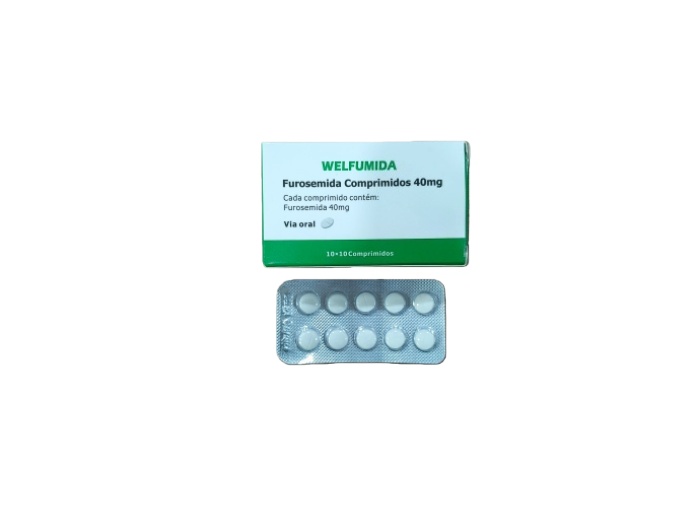
Furosemide is a loop diuretic used to treat fluid retention (edema) in people with congestive heart failure, liver disease, or a chronic kidney disorder such as nephrotic syndrome. Furosemide is also used to treat high blood pressure (hypertension).
Furosemide works by increasing the amount of urine the body makes, which helps reduce swelling and symptoms of fluid retention and helps lower high blood pressure. Furosemide tablets are sometimes called water pills as they increase how much you urinate.
You should not use furosemide if you are unable to urinate.
Using more than your recommended dose will not make this medicine more effective. High doses of this medicine may cause irreversible hearing loss.
Before using this medicine, tell your doctor if you have kidney disease, enlarged prostate, urination problems, cirrhosis or other liver disease, an electrolyte imbalance, high cholesterol, gout, lupus, diabetes, or an allergy to sulfa drugs.
Tell your doctor if you have recently had an MRI (magnetic resonance imaging) or any type of scan using a radioactive dye that is injected into your veins. Do not take more of this medication than is recommended.
If you are being treated for high blood pressure, keep using this medicine even if you feel fine. High blood pressure often has no symptoms.
Furosemide is a potent diuretic which, if given in excessive amounts, can lead to a profound diuresis with water and electrolyte depletion. Therefore, careful medical supervision is required and the dose schedule must be adjusted to the individual patient’s needs
Tell your doctor about all your other medicines. Some drugs should not be used with furosemide.
Indications
Furosemide is used to reduce extra fluid in the body (edema) caused by conditions such as heart failure, liver disease, and kidney disease. This can lessen symptoms such as shortness of breath and swelling in your arms, legs, and abdomen.
This drug is also used to treat high blood pressure. Lowering high blood pressure helps prevent strokes, heart attacks, and kidney problems.
Furosemide is a "water pill" (diuretic) that causes you to make more urine. This helps your body get rid of extra water and salt.
Usage
Read the Patient Information Leaflet if available from your pharmacist before you start taking furosemide and each time you get a refill. If you have any questions, ask your doctor or pharmacist.
Take this medication by mouth with or without food as directed by your doctor, usually once or twice daily. It is best to avoid taking this medication within 4 hours of your bedtime to prevent having to get up to urinate.
The dosage is based on your medical condition, age, and response to treatment. Children's dosage is also based on weight. Older adults usually start with a lower dose to decrease the risk of side effects. Do not increase your dose or take it more often than directed.
Take this medication regularly in order to get the most benefit from it. To help you remember, take it at the same time(s) of the day as directed. Keep taking this medication even if you feel well. Most people with high blood pressure do not feel sick.
Sucralfate, cholestyramine, and colestipol can decrease the absorption of furosemide. If you are taking any of these drugs, separate the timing of each dose from furosemide by at least 2 hours.
Tell your doctor if your condition does not get better or if it gets worse (for example, your blood pressure readings remain high or increase).
Side Effects:
Dizziness, lightheadedness, headache, or blurred vision may occur as your body adjusts to the medication. If any of these effects last or get worse, tell your doctor or pharmacist promptly.
To reduce the risk of dizziness and lightheadedness, get up slowly when rising from a sitting or lying position.
Remember that this medication has been prescribed because your doctor has judged that the benefit to you is greater than the risk of side effects. Many people using this medication do not have serious side effects.
This medication may cause dehydration and electrolyte imbalance. Tell your doctor right away if you have any symptoms of dehydration or electrolyte imbalance, including unusual dry mouth/thirst, muscle cramps/weakness, slow/fast/irregular heartbeat, or confusion.
Tell your doctor right away if you have any serious side effects, including:
A very serious allergic reaction to this drug is rare. However, get medical help right away if you notice any symptoms of a serious allergic reaction, including:
This is not a complete list of possible side effects. If you notice other effects not listed above, contact your doctor or pharmacist.