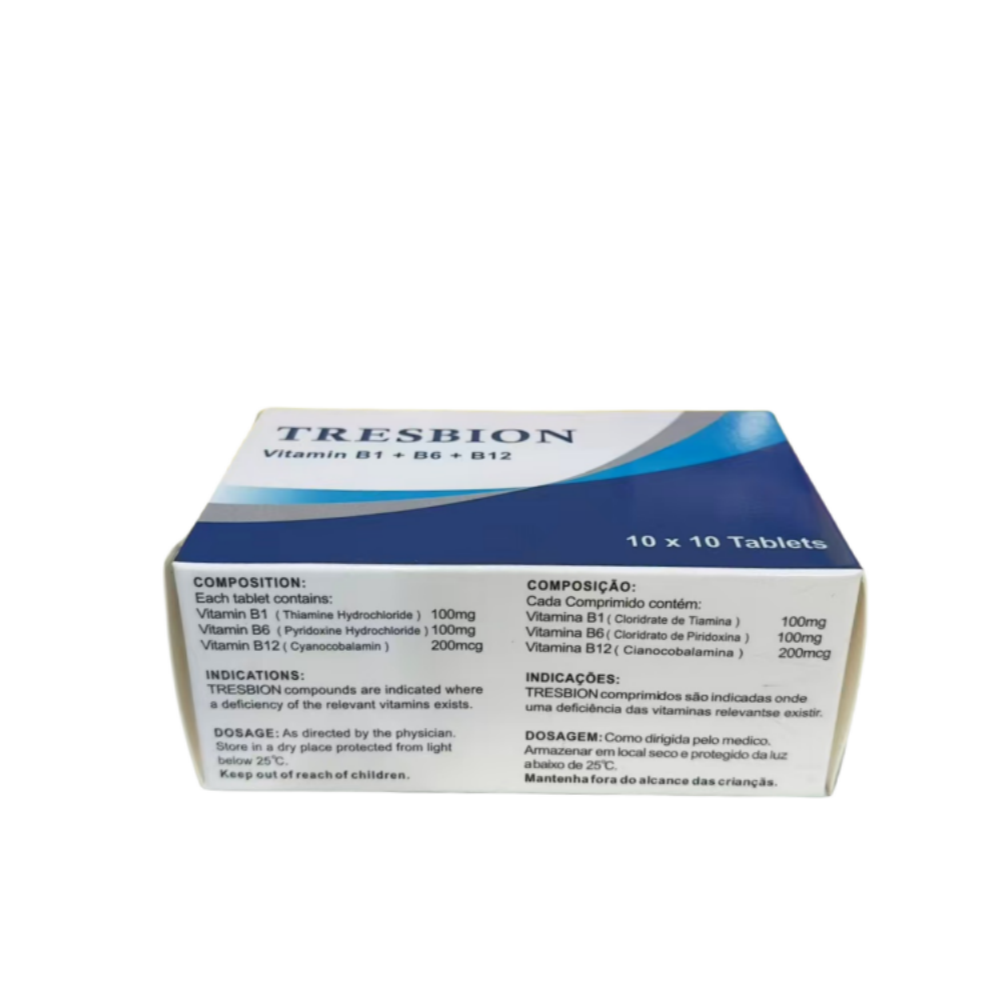
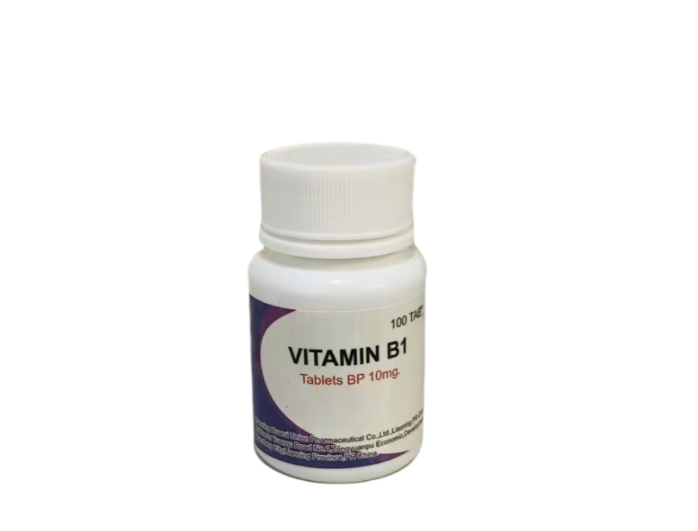
Thiamine (vitamin B1) is found in many foods and is used to treat low thiamine, beriberi, certain nerve diseases, and Wernicke-Korsakoff syndrome (WKS). Vitamin B1 tablets are suitable for preventing and treating vitamin B1 deficiency disorders.
Thiamine is required by our bodies to properly use carbohydrates. It also helps maintain proper nerve function. It's found in foods such as yeast, cereal grains, beans, nuts, and meat. It's often used in combination with other B vitamins, and is found in many vitamin B complex products.
People take thiamine for conditions related to low levels of thiamine, including beriberi and inflammation of the nerves (neuritis). It's also used for digestive problems, diabetic nerve pain, heart disease, and other conditions, but there is no good scientific evidence to support these other uses.
Vitamin B1 Tablets 10mg are effective for:
Thiamine deficiency. Taking thiamine by mouth helps prevent and treat thiamine deficiency.
A brain disorder caused by low levels of thiamine (Wernicke-Korsakoff syndrome). Taking thiamine by IV helps decrease the risk and symptoms of Wernicke-Korsakoff syndrome (WKS), which is related to low levels of thiamine. It is often seen in people with alcohol use disorder. IV products can only be given by a healthcare provider.
Dosing of Vitamin B1 Tablets
Thiamine is an important nutrient. It's found in many foods, including cereal grains, beans, nuts, and meat.
The amount that should be consumed on a daily basis is called the recommended dietary allowance (RDA). For adult males, the RDA is 1.2 mg daily. For adult females 18 years of age, the RDA is 1 mg daily. For adult females 19 years and older, the RDA is 1.1 mg daily. The RDA during pregnancy and breastfeeding is 1.4 mg daily. Recommended amounts for children depend on age. Speak with a healthcare provider to find out what dose might be best for a specific condition.