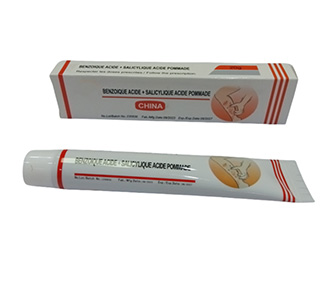
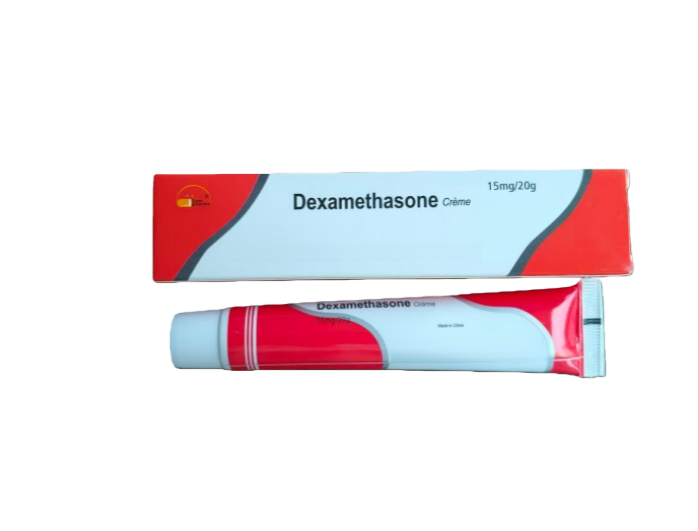
Description
Desoximetasone topical is used to treat the redness, swelling, itching, and discomfort of various skin conditions, including psoriasis (a skin disease in which red, scaly patches form on some areas of the body and eczema (a skin disease that causes the skin to be dry and itchy and to sometimes develop red, scaly rashes). Desoximetasone is in a class of medications called corticosteroids. It works by activating natural substances in the skin to reduce swelling, redness, and itching.
Indications:
Dexamethasone is a corticosteroid that prevents the release of substances in the body that cause inflammation.
Dexamethasone is used to treat many different inflammatory conditions such as allergic disorders and skin conditions.
Dexamethasone is also used to treat ulcerative colitis, arthritis, lupus, psoriasis, and breathing disorders.
Dosage:
The dose of this medicine will be different for different patients. Follow your doctor's orders or the directions on the label. The following information includes only the average doses of this medicine. If your dose is different, do not change it unless your doctor tells you to do so.
The amount of medicine that you take depends on the strength of the medicine. Also, the number of doses you take each day, the time allowed between doses, and the length of time you take the medicine depend on the medical problem for which you are using the medicine.
Warnings:
You should not use dexamethasone if you have a fungal infection anywhere in your body.
Tell your doctor about all your medical conditions, and all the medicines you are using. There are many other diseases that can be affected by steroid use, and many other medicines that can interact with steroids.
Your dosage may change if you have any unusual stress such as a serious illness, fever or infection, or if you have surgery or a medical emergency. Tell your doctor about any such situation that affects you during treatment.
Dexamethasone can weaken your immune system, making it easier for you to get an infection or worsening an infection you already have or have recently had. Tell your doctor about any illness or infection you have had within the past several weeks.
Call your doctor for preventive treatment if you are exposed to chicken pox or measles. These conditions can be serious or even fatal in people who are using steroid medication.
All vaccines may not work as well while you are taking a steroid. Do not receive a "live" vaccine while you are taking this medicine.
Do not stop using dexamethasone suddenly, or you could have unpleasant withdrawal symptoms. Talk to your doctor about how to avoid withdrawal symptoms when stopping the medication.
Side effects:
Get emergency medical help if you have signs of an allergic reaction to dexamethasone: hives; difficulty breathing; swelling of your face, lips, tongue, or throat.
Call your doctor at once if you have:
muscle tightness, weakness, or limp feeling;
blurred vision, tunnel vision, eye pain, or seeing halos around lights;
shortness of breath (even with mild exertion), swelling, rapid weight gain;
severe depression, unusual thoughts or behavior;
a seizure (convulsions);
bloody or tarry stools, coughing up blood;
fast or slow heart rate, weak pulse;
pancreatitis - severe pain in your upper stomach spreading to your back, nausea and vomiting;
low potassium level - leg cramps, constipation, irregular heartbeats, fluttering in your chest, increased thirst or urination, numbness or tingling; or
increased blood pressure - severe headache, blurred vision, pounding in your neck or ears, anxiety, nosebleed.
Dexamethasone can affect growth in children. Tell your doctor if your child is not growing at a normal rate while using dexamethasone.
Common dexamethasone side effects may include:
fluid retention (swelling in your hands or ankles);
increased appetite;
mood changes, trouble sleeping;
skin rash, bruising or discoloration;
acne, increased sweating, increased hair growth;
headache, dizziness;
changes in your menstrual periods; or
changes in the shape or location of body fat (especially in your arms, legs, face, neck, breasts, and waist).